


Metabolic
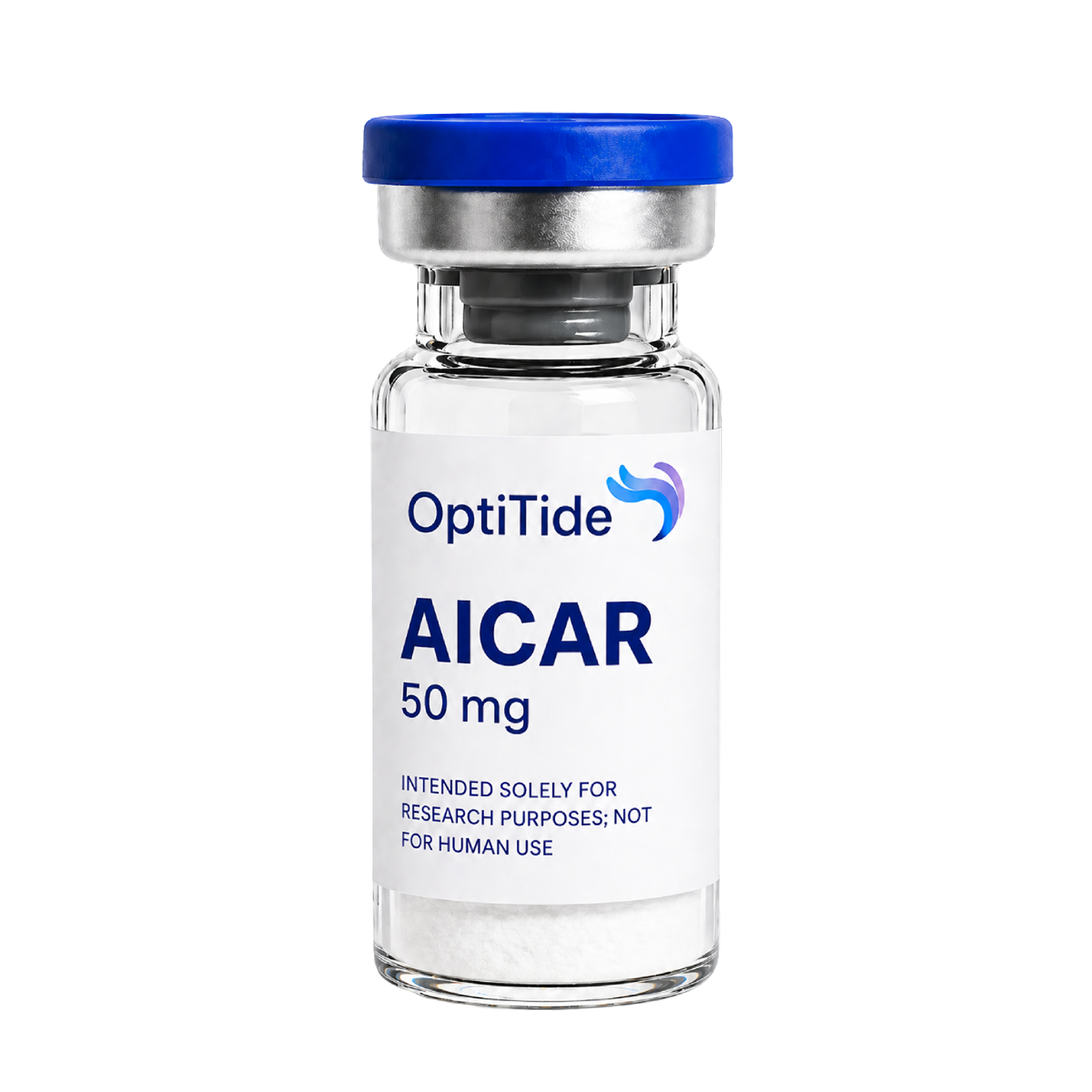
AICAR
AICAR (5-Aminoimidazole-4-carboxamide ribonucleotide) is an AMP analog that activates AMPK (adenosine monophosphate–activated protein kinase).
$49.99
Free shipping
Free Damage Protection
Secure checkout
Research Applications
Third Party Tested by Freedom Diagnostics
Study of cellular energy regulation
Investigation of metabolic stress responses
Exercise mimetic research
Analysis of glucose uptake and fatty acid oxidation
Certificate of Analysis
Third Party Tested by Freedom Diagnostics
Latest
99.76%
Purtiy
Variant
GHK-Cu 50mg
Lot #
B1111
Labeled
50mg
Actual
59.26mg
Tested
Feb 4, 2026
Latest
99.54%
Purtiy
Variant
GHK-Cu 100mg
Lot #
B0111
Labeled
100mg
Actual
107.58mg
Tested
Feb 4, 2026
Technical Information
Technical specifications
Product Specifications
Small molecule (not peptide)
Mechanism
AMPK activation
Function
Metabolic research
🧊 Storage Requirements
Handling Information
Protect from moisture
Store
−20°C
Related Articles
Peer-reviewed research
American Journal of Physiology-Endocrinology and Metabolism
Blunting of AICAR-induced human skeletal muscle glucose uptake in type 2 diabetes is dependent on age rather than diabetic status
Volume 296, Issue 5
John Andree Babraj
All the research peptides you need, with the peace of mind and research community at your fingertips.
Support FAQ
Quick answers to common questions
What is AICAR, and how does it work?
AICAR is a compound that affects how cells produce and use energy. It works by:
- Turning on a pathway in the body that increases energy use
- Helping the body burn more fat
- Improving how muscles use energy, especially during exercise
- Supporting better blood sugar control in research models
Because of this, it is often studied for metabolism and endurance-related effects.
How should it be stored?
Store AICAR in a cool, dry place or in the freezer,r depending on the form.
After mixing it with liquid, keep it in the refrigerator (2–8°C) and use within a limited time.
Avoid repeated freeze-thaw cycles.
Is AICAR FDA-approved?
No. AICAR is not FDA-approved for any medical use at this time.
What quantity options are available?
It is usually available in small research vials or kits. Bulk amounts may be available upon
request.
🛡️ Compliance Notice
Research-only compound; previously flagged in sports doping contexts
⚠️ Disclaimer Notice
This product is intended strictly for laboratory research and educational purposes. It is not designed, approved, or marketed for human consumption, medical treatment, diagnosis, prevention, or cure of any disease or health condition.
All information, study data, and research references provided are collected from published scientific literature, peer-reviewed journals, and publicly available academic sources.
These materials are shared for informational and educational reference only and should not be considered medical advice, therapeutic guidance, or product claims.
By purchasing or using this product, you acknowledge that you are a qualified professional, researcher, or institution and agree to handle and use it in compliance with all applicable local, state, and federal laws and regulations.